
ADU basics
New to ADUs? Start here.
Everything a San Diego homeowner should know before their first conversation with a builder, in plain English.
What counts as an ADU
An accessory dwelling unit is a complete, self-contained home on the same lot as your main house: its own entrance, kitchen, bathroom, and living space. California law requires cities to allow them on most residential lots, which is why ADUs went from rare to everywhere in a few years.
The three ways to build one
Detached: a standalone backyard home, maximum privacy and rental appeal. Attached: an addition with its own entrance, often the budget-friendly path. Garage conversion: turn structure you already own into living space, frequently the fastest permit.
What drives the cost
Size, site conditions, and finishes. Utility connections matter more than most people expect: sewer, water, and electrical routing can swing a budget. That's why we check feasibility before you spend anything on design.
Why the city matters so much
Setbacks, height limits, maximum size, and parking rules all change at the city line. The same backyard could fit a two-story ADU in one city and a one-story in the next. Check your city's guide before you fall in love with a floor plan.
Want numbers for your lot?
The calculator gives you a realistic range in under a minute, and the city guides tell you exactly what your zoning allows.
Go deeper
ADU guides from our blog
Written by Ryan from real projects: the details that separate a smooth build from a stressful one.
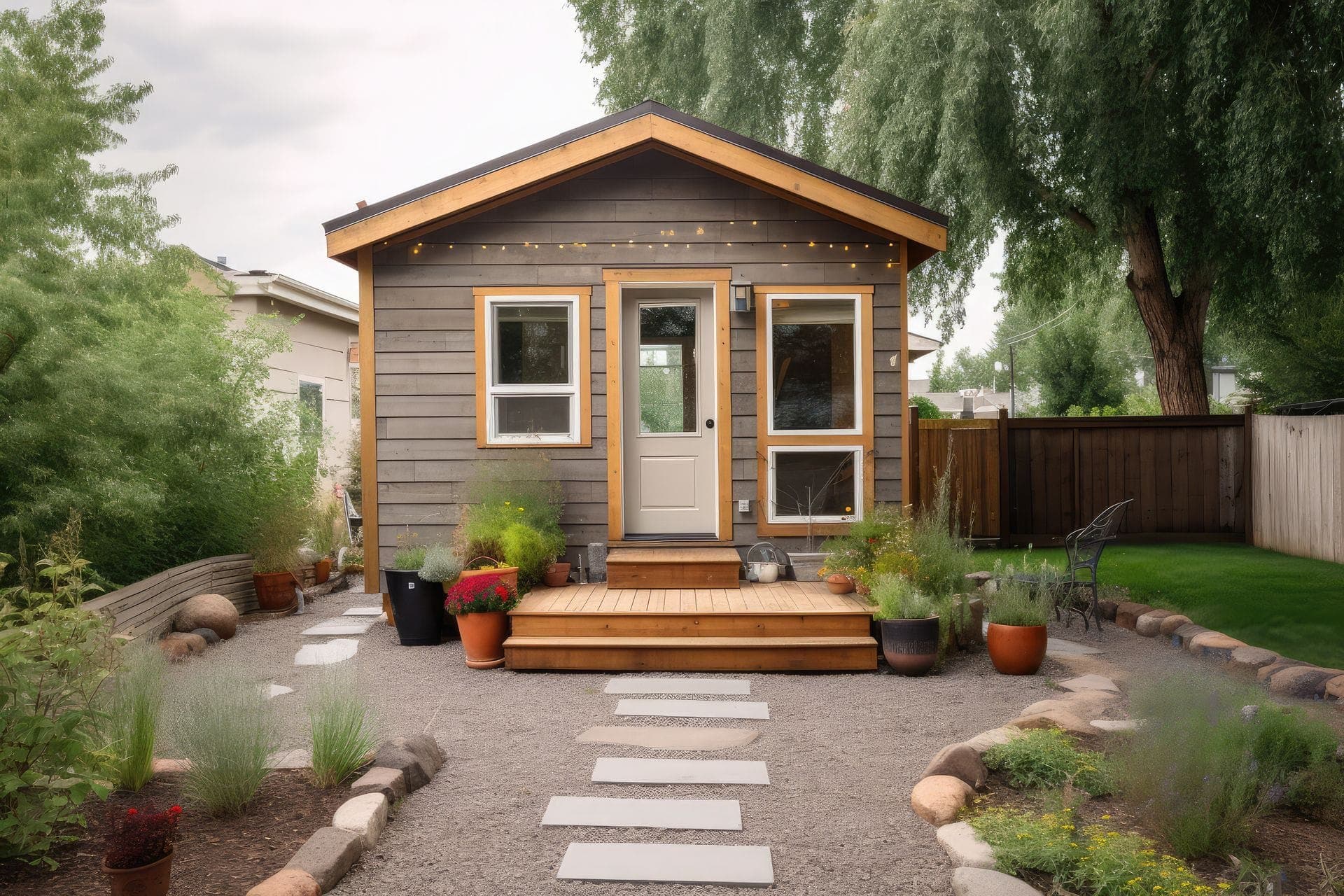
ADU
Understanding ADUs: A Comprehensive Guide
A beginner's guide to accessory dwelling units: the three ADU types, what they are used for, and what to plan before building one in San Diego County.
By Ryan Bittner · February 17, 2024
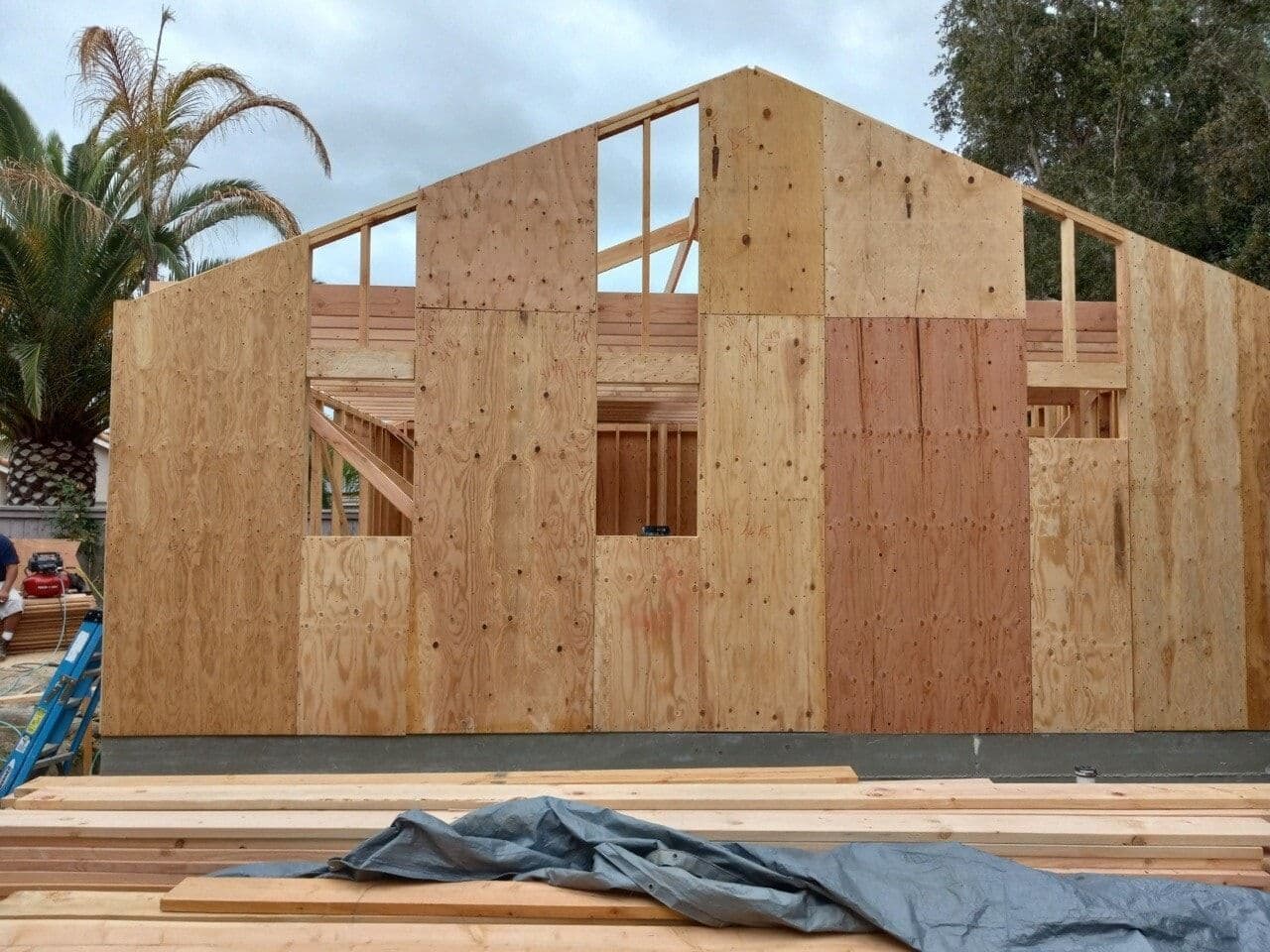
ADU
The Benefits of Site-Built ADUs Over Prefab ADUs
Site-built ADU vs prefab ADU: why building on site means more design freedom, a better match to your home, tighter quality control, and easier permits.
By Ryan Bittner · August 23, 2023

ADU
How Can an ADU Make You Money?
How an ADU can make you money: renting to tenants, short-term guests through Airbnb, a home office, or a guest suite, and the factors that shape income.
By Ryan Bittner · January 4, 2023

ADU
Your Ultimate Guide to Building an ADU in San Diego County: DIY or Hire a Pro?
Building an ADU in San Diego County: permit steps from zoning check to final approval, a 30 to 60 day review, and whether to DIY or hire a contractor.
By Ryan Bittner
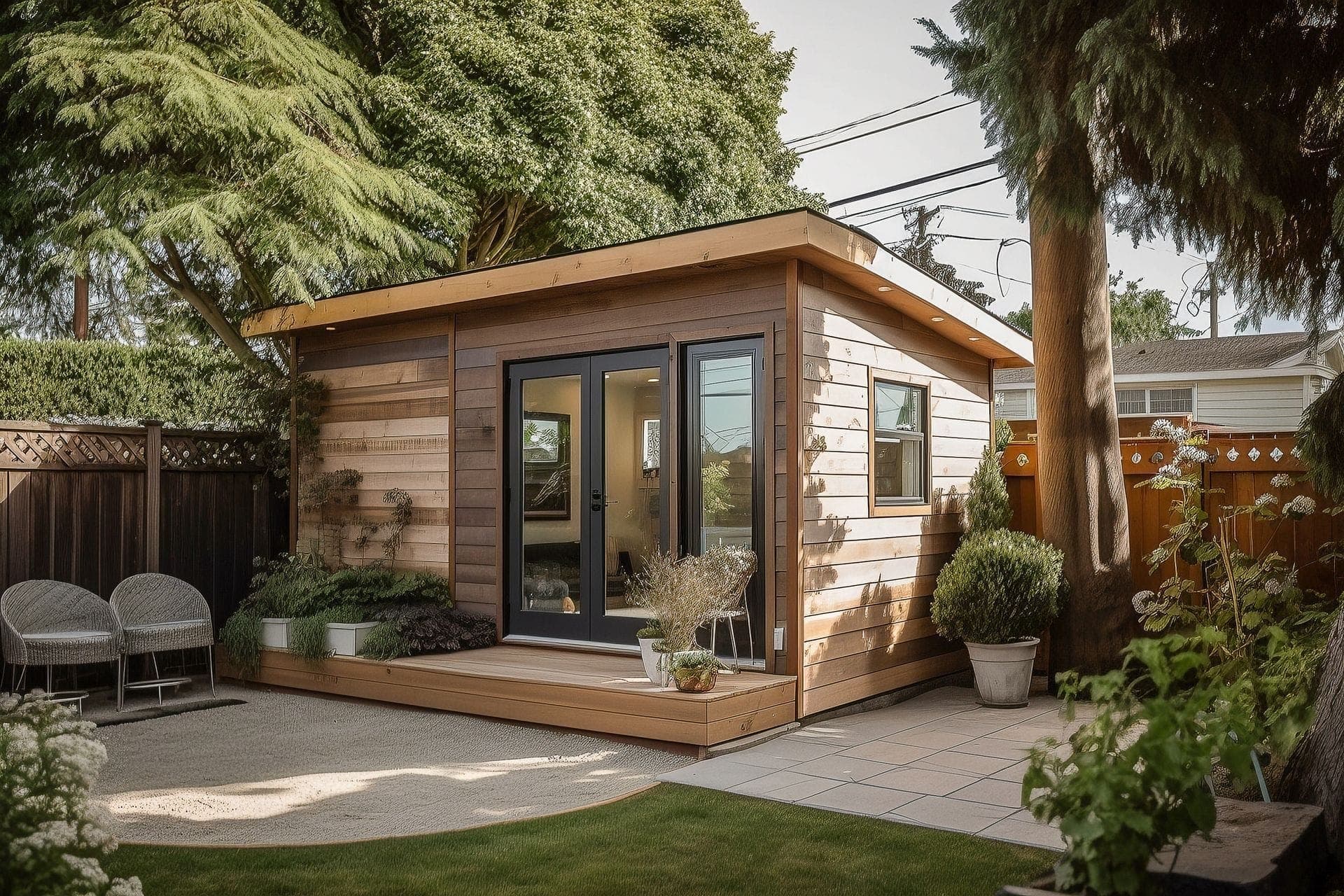
ADU
Financing Your ADU Project: Options and Advice
ADU financing options: home equity loans, personal loans, HELOCs, construction loans, and government grants, plus tips for picking one that fits you.
By Ryan Bittner · January 18, 2024
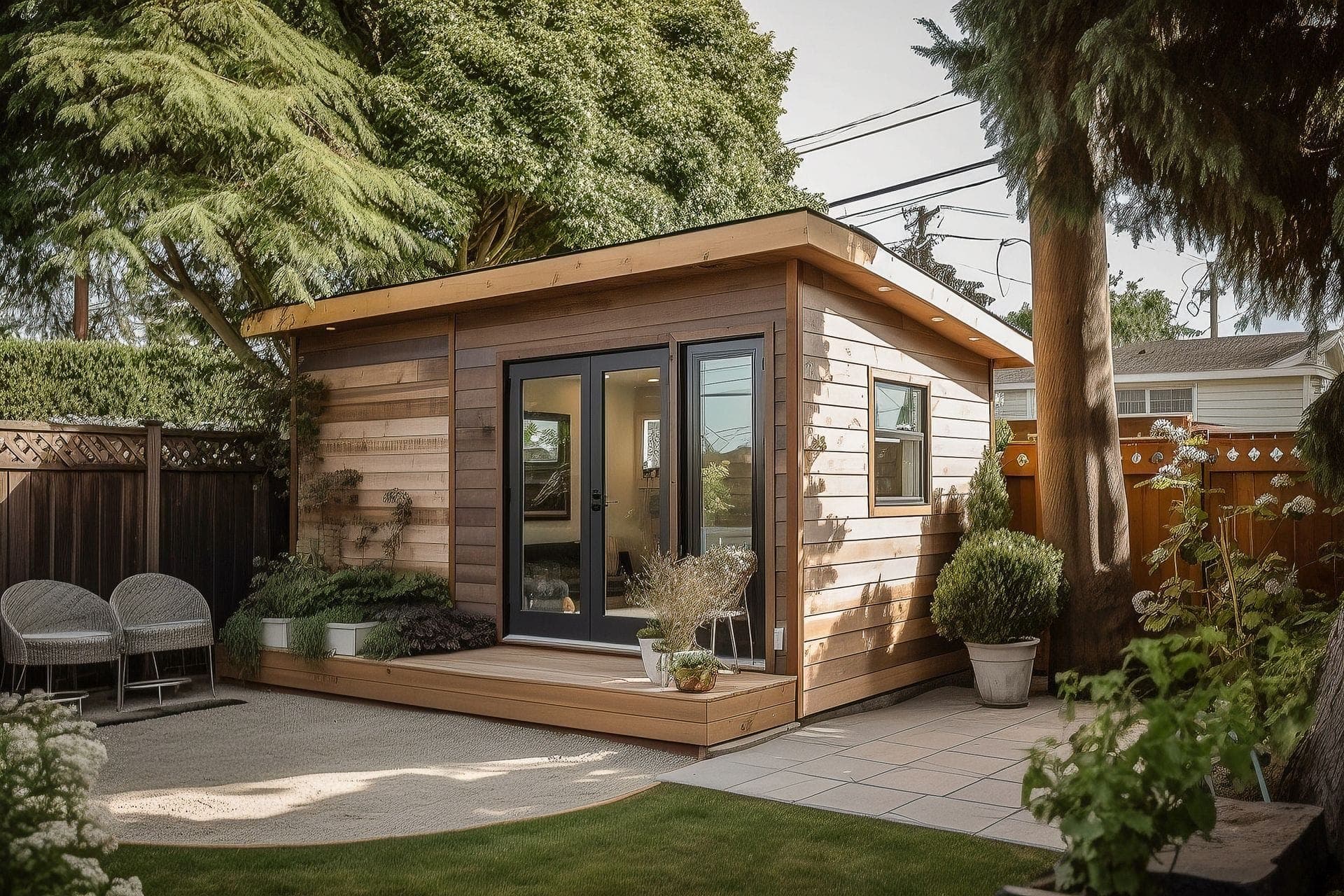
ADU
Don’t Build an ADU Without Reading This: Essential HVAC Tips Revealed!
HVAC for an ADU in San Diego County: sizing, efficient mini-splits, ventilation, noise limits, and the codes and inspections your system must pass.
By Ryan Bittner